
One of the most common questions we get from our clients goes something like this: “We’re getting a new scanner. Do we need physics testing? And do we need to tell the ACR?”
The short answer is yes, and yes. But the details depend on what kind of change you’re making. Is it a brand new unit? A replacement for an older scanner? A mobile CT or MRI trailer to cover you while your scanner is down? Or are you taking a unit out of service?
In this post, we’re going to walk through each of those scenarios. We’ll lean a little heavier on the physics testing side, because that’s where we see facilities get caught most often.
This applies to the ACR’s unit-based accreditation programs: CT, MRI, Breast MRI, Nuclear Medicine/PET and Stereotactic Breast Biopsy. Mammography and ultrasound have their own processes, and we’ll touch on mammography briefly at the end.
The Quick Answer
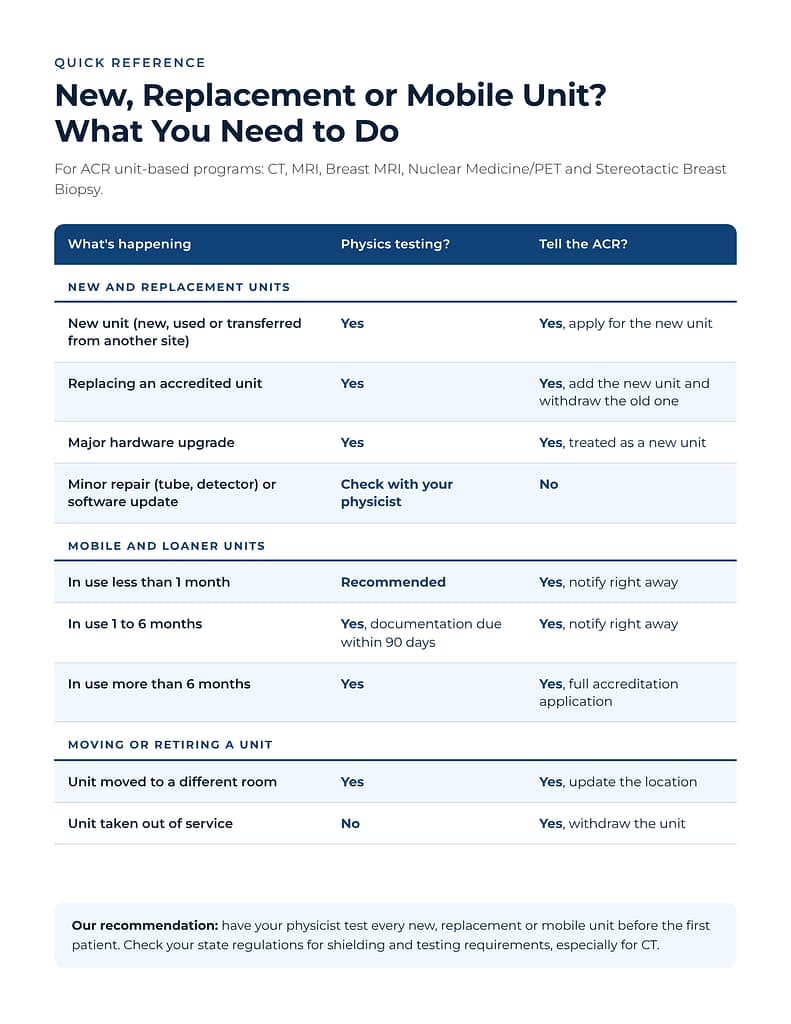
If you only read one thing in this post, make it this table.
When Do You Need Physics Testing?
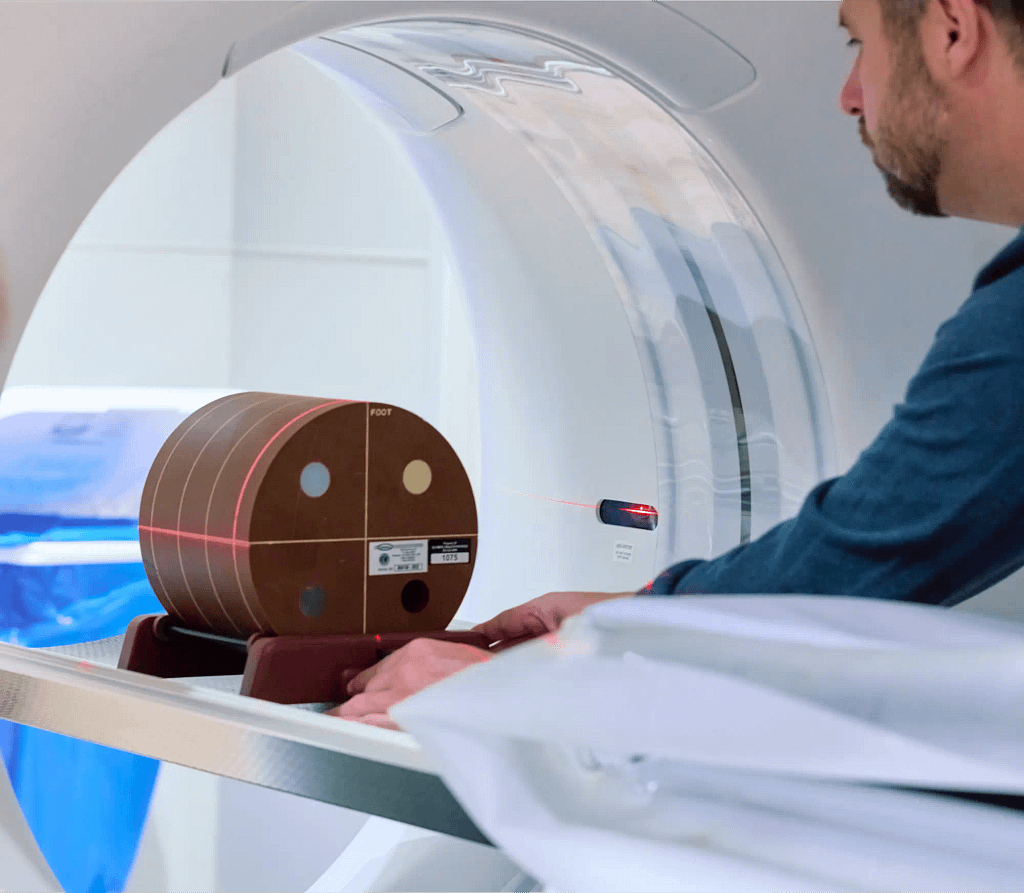
Here’s the general rule of thumb: if it’s a new unit to your facility, it needs physics testing. That’s your acceptance test, and it sets the baselines for your QC program going forward. The bigger question we get is when that testing needs to happen.
The ACR’s accreditation process doesn’t actually set a hard deadline for it. New units need accreditation testing, and for mobile units the ACR gives you 90 days to submit physics documentation. But that’s not the whole picture.
The ACR–AAPM Technical Standards, which lay out best practice for physics testing, say acceptance testing should be completed before clinical use. The CT standard goes a step further and says it “must be completed before clinical use.” On top of that, some states require physics testing before a unit is used on patients, especially for CT.
So our recommendation is simple: test it before the first patient. It’s the best way to know your scanner is performing the way it should, and it keeps you on the right side of your state regulations.
So what counts as a new unit? According to the ACR, it’s any unit that’s new to your facility. That includes:
- A brand new scanner
- A previously owned or refurbished scanner
- A unit transferred in from another one of your sites
- A replacement for a unit that was already accredited
A lot of people assume that because a scanner was accredited somewhere else, or because it’s the same make and model as the old one, it doesn’t need testing. That’s not the case. If it’s new to you, it gets tested.
What About Upgrades and Repairs?
This is where it gets a little bit gray. The ACR treats a unit that has had “replacements or upgrades to any of the major subassemblies” as a new unit. So a major hardware upgrade that requires acceptance testing and new QC baselines also requires new accreditation testing.
Minor changes, like a detector replacement or an X-ray tube change, don’t require you to notify the ACR. Most software-only upgrades don’t either.
Now, here’s the important part. Just because you don’t have to notify the ACR doesn’t mean you don’t need your physicist. The CT technical standard says that when a major component is replaced or repaired, the physicist needs to evaluate whether performance testing is needed. It specifically calls out things like tube replacements, generator replacements and detector replacements. So if you’re not sure, ask your physicist before the unit goes back into clinical use, not after.
Mobile and Loaner Units
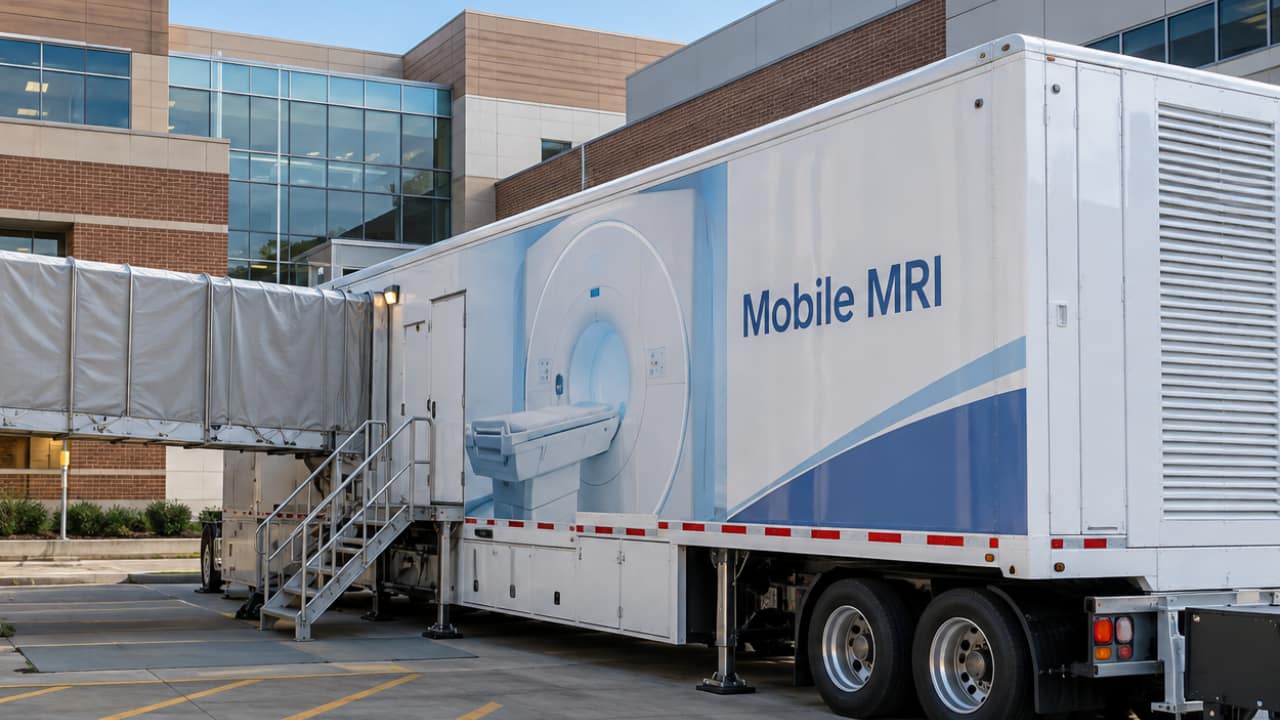
When we say “loaner” here, we’re usually not talking about a scanner being rolled into your hospital. In most cases it’s a mobile CT or MRI trailer that gets parked outside while your scanner is down for repairs or being replaced.
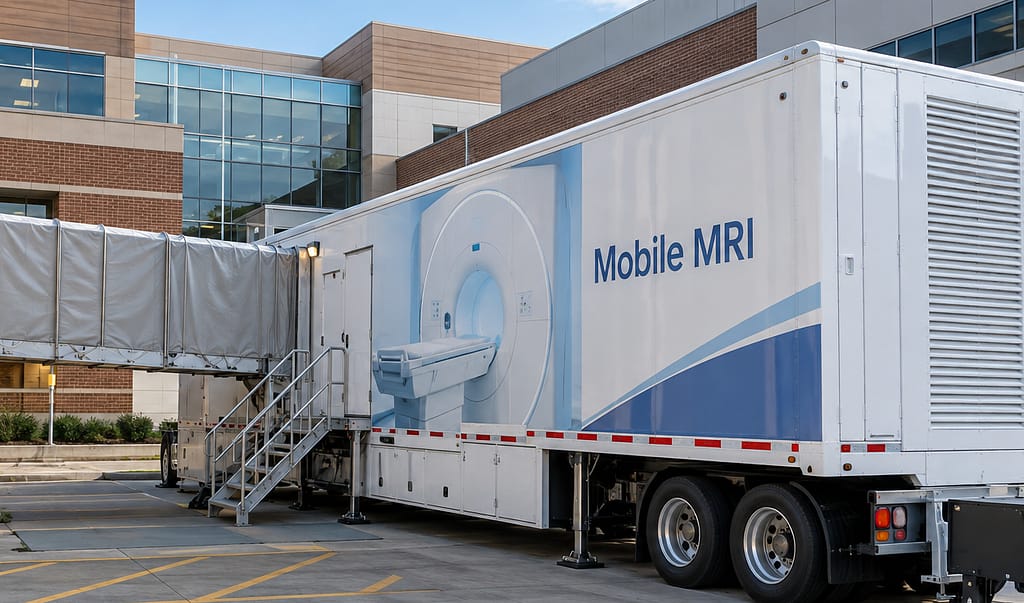
The ACR lets you use a mobile or loaner unit for up to 6 months without submitting images, but there are some strings attached:
- You need to notify the ACR right away with the install date, manufacturer and model.
- If the unit is in use for 1 month or longer, you need to submit evidence of physicist or MR scientist testing within 90 days.
- If the unit is in place longer than 6 months, it needs a full accreditation application with clinical and phantom images.
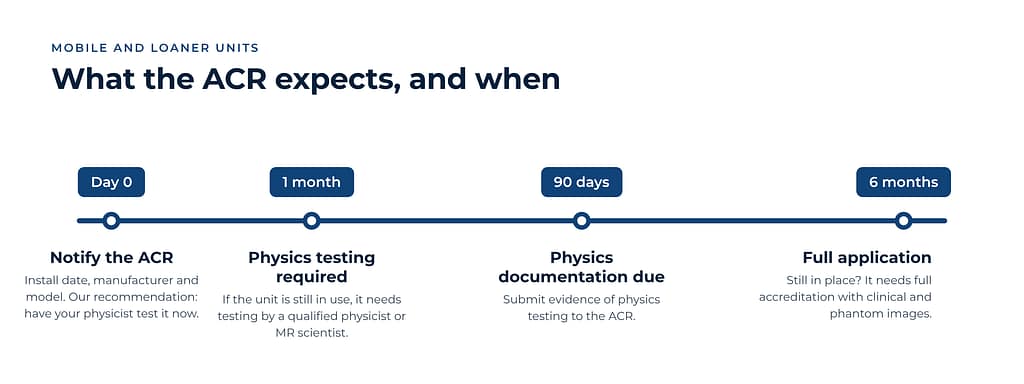
Our recommendation is to have your physicist test the mobile unit when it arrives, no matter how long you think you’ll need it. Repairs and installs have a way of taking longer than anyone expects.
You may hear from the mobile company that the unit is already accredited. Here’s how we look at it. If your facility is running the unit and you’re operationally responsible for it, we treat it as your unit. That means it falls under your accreditation and your QC program, and it should be tested by your physicist.
Moving a Unit
If you’re moving a scanner to a different room in the same facility, the ACR needs to know about the new location and may ask for additional physics documentation. From a practical standpoint, a scanner that’s been taken apart and reinstalled should be tested before it goes back into clinical use. Moving a unit to a different facility address is handled as a facility change with the ACR.
Don’t Forget About Shielding
Physics testing on the scanner isn’t the only thing you might need. For CT, PET/CT and nuclear medicine, a new installation or a room change often requires a shielding design before construction and a shielding verification survey once the unit is in. This depends on your state’s requirements and, for hospitals, The Joint Commission. The same goes for where a mobile CT trailer is parked, since the areas around it are now exposed to radiation.
Between physics testing and shielding, it’s always a good idea to check your state regulations or give your physicist a call.
When Do You Need to Apply to the ACR?
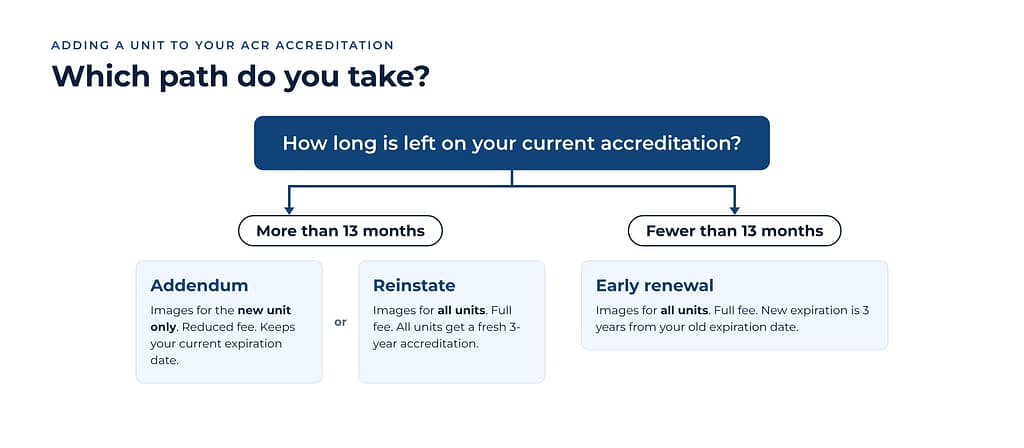
Once your physicist has tested the new unit, the next step is getting it accredited. Which path you take depends on how much time is left on your current accreditation.
If you have more than 13 months remaining, you have two options:
- New Unit Addendum. You submit images for the new unit only and pay a reduced fee. The new unit gets the same expiration date as your existing accredited units.
- New Unit Reinstate. You submit images for all of your active units and pay the full fee. All of your units then get a fresh 3-year accreditation.
For most facilities, the addendum is the simpler option. The reinstate option can make sense if you’d like to put all of your units on the same fresh 3-year cycle.
If you have fewer than 13 months remaining, you’ll do an early renewal instead. That means full fees and images for all units, with your new expiration set 3 years from your old expiration date.
Your Images Can Do Double Duty
The ACR accepts phantom and clinical images acquired within 14 months. That means the phantom images from your physicist’s acceptance testing can often be used for your accreditation submission. Talk with your physicist ahead of time so the testing is set up to meet the ACR’s requirements.
Withdrawing a Unit
If a unit is no longer being used for imaging, you need to let the ACR know and withdraw it. If your renewal is already due, you can include the withdrawal as part of your renewal.
When you’re replacing a unit, don’t forget this step. We often see facilities add the new scanner and forget to withdraw the old one.
Common Pitfalls We See
Scheduling the physicist too late. Your physicist should be part of the installation plan, not an afterthought once the scanner is up and running. Ideally, acceptance testing happens right after the vendor hands the unit over and before the first patient.
Thinking the annual survey will cover it. Your annual survey is not an acceptance test. If your annual is due in six months, that doesn’t mean you can wait six months to test a new unit.
Forgetting about shielding. A new room, a renovated room or a mobile trailer pad may all need a shielding design and verification survey. Plan for it early, especially if construction is involved.
Forgetting about Medicare. For CT, MRI, nuclear medicine and PET, CMS requires accreditation to bill for the technical component. If you bill Medicare, get your application in early so there’s no gap.
Stereotactic biopsy add-on devices. A replacement add-on biopsy device doesn’t need new unit accreditation. Just make sure the serial number you reference is the mammography unit, not the add-on.
Mammography is its own animal. Mammography isn’t part of the ACR’s unit-based process. Under MQSA, a new mammography unit needs a Mammography Equipment Evaluation (MEE) by a medical physicist before it’s used on patients, and the same applies after major repairs.
Conclusion
So now you know the basics. If a unit is new to your facility, or has had a major upgrade, it needs physics testing, ideally before the first patient, and it needs to be accredited. Mobile and loaner units need to be reported right away and tested if they’ll be around for a month or more. And when a unit comes out of service, withdraw it.
The best thing you can do is bring your physicist into the conversation early. As soon as you know a new scanner, a replacement or a mobile unit is coming, give us a call. We’ll help you figure out what testing and shielding you need, get it on the schedule, and make sure you have what you need for the ACR.

If you have questions about physics testing or ACR accreditation for your department, feel free to reach out. Your medical physicist is a great resource for you when it comes to equipment testing, quality control and ACR accreditation. You can also always reach out to us if you have questions or want more information on why you should partner with us.
Sources
- Adding a New, Replacement or Loaner Unit or Withdrawing a Unit (ACR, revised 2/12/2025)
- ACR–AAPM Technical Standard for Diagnostic Medical Physics Performance Monitoring of CT Equipment (2022)
- ACR–AAPM Technical Standard for Medical Physics Performance Monitoring of PET/CT Imaging Equipment (2023)
- ACR–AAPM Technical Standard for Nuclear Medical Physics Performance Monitoring of Gamma Cameras (2023)
- The Medicare Improvements for Patients and Providers Act (MIPPA) (ACR, revised 3/20/2024)